
As December approaches, Japan enters one of its most meaningful cultural periods. The final weeks of the year are filled with traditions that blend spirituality, cleanliness, hospitality and renewal. These rituals are not just symbolic; they shape how households, businesses and entire communities welcome the coming year.
For visitors, experiencing these end-of-year customs offers an intimate look at how Japanese society reflects on the past, prepares for the future and honors centuries-old beliefs rooted in both Shinto and Buddhist traditions.
Ōsōji – The Great Year-End Cleaning
One of the most recognizable winter customs is Ōsōji, the deep cleaning performed in late December.
Families, schools, and companies thoroughly clean their spaces: sweeping floors, dusting shelves, washing windows and reorganizing storage areas.
The purpose of Ōsōji goes far beyond tidiness.
It represents clearing away impurities, misfortune and lingering negative energy before greeting the new year. Businesses often take this time to finalize documents, sort inventory and prepare their workspaces for a “clean start”.
Visitors in Japan during this period may notice shops closing slightly earlier, workplaces re-arranged, and homes displaying newly cleaned entryways decorated for the season.
Shogatsu Decorations – Symbols of Purity and Good Fortune
As soon as cleaning is complete, households put up seasonal decorations that invite good luck for the coming year.
Kadomatsu
Placed at entrances from late December to early January, kadomatsu are traditional arrangements of pine, bamboo and plum branches.
Each element carries meaning: pine for longevity, bamboo for resilience and plum for renewal.
They are believed to welcome the Toshigami, the deity of the new year.
Shimenawa
Made of twisted straw rope, these decorations mark purified or sacred spaces.
Homes and businesses hang them above doors to ward off misfortune and invite good spirits.
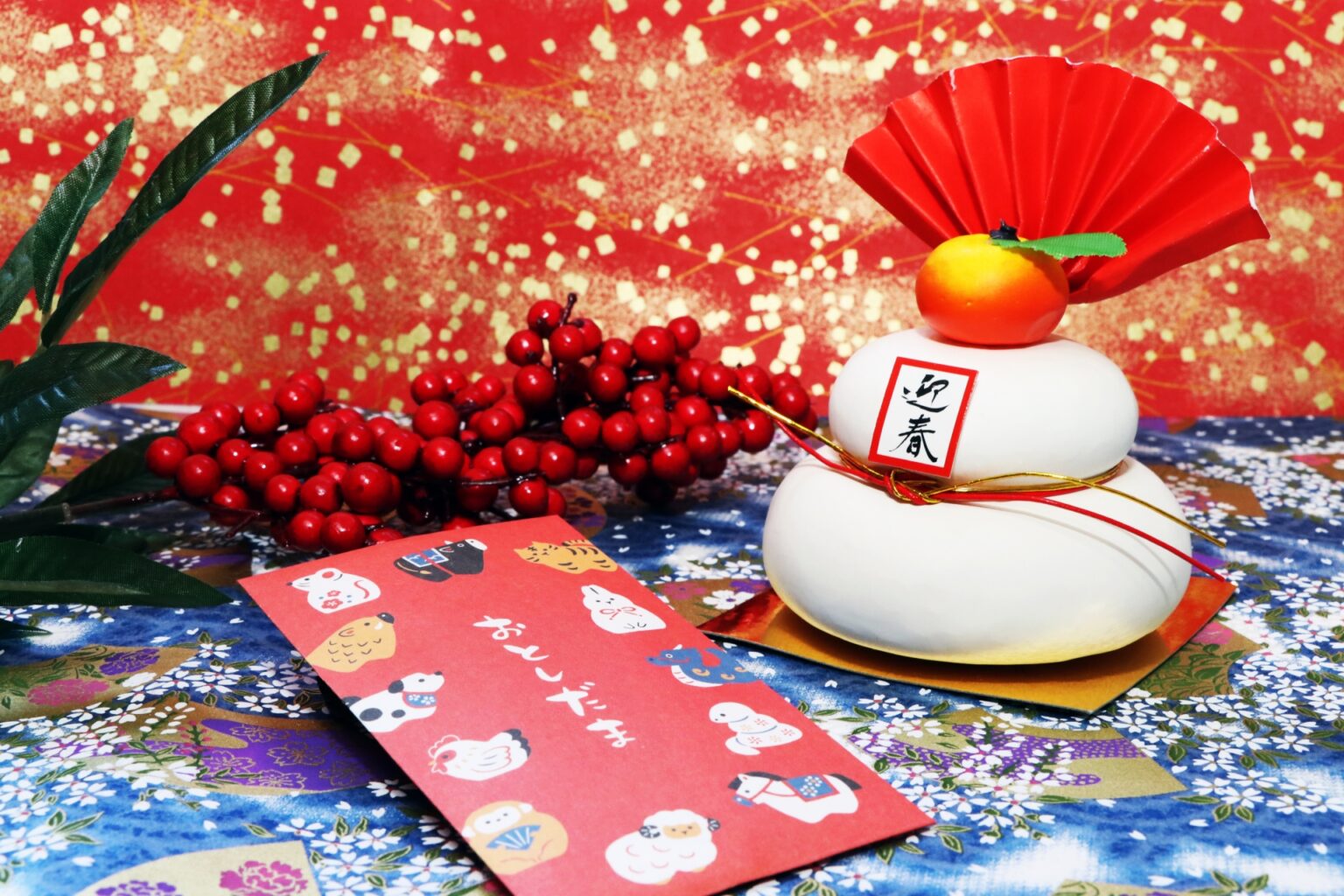
Kagami Mochi
A small two-tiered mochi display topped with a daidai citrus fruit.
It symbolizes continuity between generations, family unity and a bountiful year ahead.
These decorations remain until early January, when they are respectfully removed and, in many regions, burned in small shrine ceremonies.
Bonenkai – Forget-the-Year Gatherings
December is also known as the season of bonenkai, year-end gatherings held among friends, coworkers and communities.
The purpose is to “forget the troubles of the past year” and approach the new one refreshed.
These gatherings differ from Western holiday parties:
they are less about celebration and more about releasing stress, strengthening relationships and closing the year on a positive note.
Restaurants and izakaya fill quickly during this period, and visitors may notice special menus or seasonal dishes designed for bonenkai groups.
Joya-no-Kane – Ringing the Temple Bells 108 Times
On New Year’s Eve, temples across Japan perform Joya-no-Kane, ringing their bells 108 times, representing the 108 earthly desires in Buddhist belief.
Each ring is said to cleanse the heart and calm the mind, allowing people to enter the new year free of burdens.
Many temples allow the public to participate.
Standing in line, holding the wooden log used to strike the bell, and hearing the resonant sound echo into the winter night is considered a deeply moving experience.
Famous temples such as Chion-in in Kyoto and Zojo-ji in Tokyo attract large crowds, but smaller local temples often offer a more intimate atmosphere.
Toshikoshi Soba – Welcoming the Year With Longevity Noodles
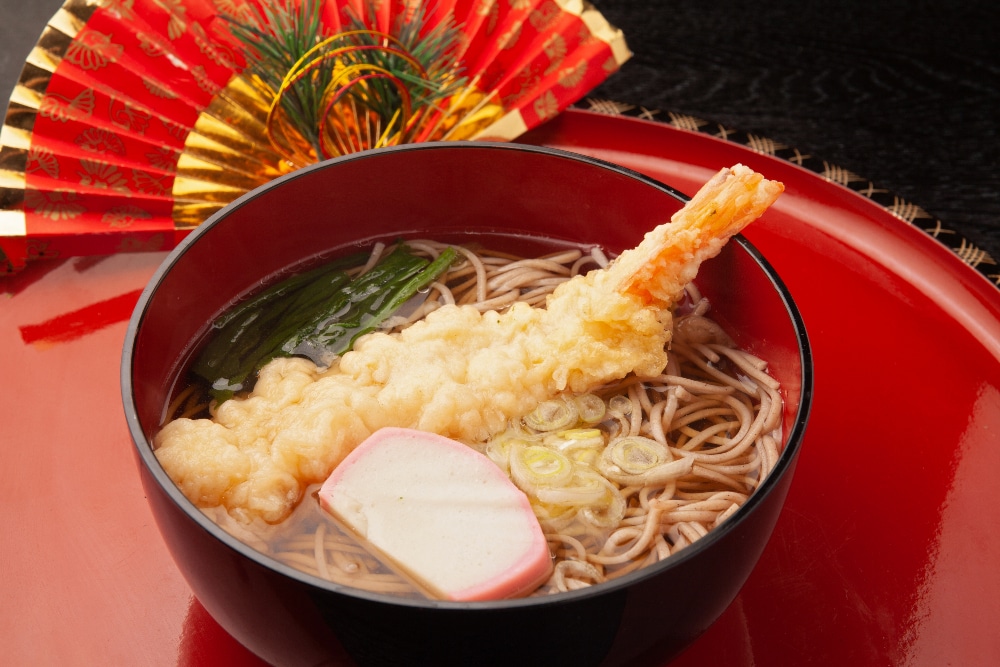
On December 31st, families across Japan share a simple but meaningful dish: toshikoshi soba.
The long, thin noodles symbolize long life and the ability to cut off hardships or misfortune, thanks to the soba noodle’s easy breaking texture.
Many shops sell fresh soba specifically for New Year’s Eve, and some regions serve unique versions such as nishin soba (with herring) in Kyoto or tempura soba in Tokyo.
Hatsumōde – The First Shrine or Temple Visit of the Year
Between January 1st and 3rd, millions of people visit shrines and temples for hatsumōde, the first prayer of the year.
This tradition includes:
- purchasing omamori charms
- drawing omikuji fortunes
- making wishes for health and success
- offering prayers for family and ancestors
Famous shrines like Meiji Jingu, Fushimi Inari Taisha, and Senso-ji welcome huge crowds, while smaller neighborhood shrines offer a peaceful and local atmosphere.
Other Winter Rituals and Preparations
Nengajo – New Year Greeting Cards
Sending New Year postcards remains an extremely popular tradition.
They often feature zodiac animals or seasonal motifs and arrive precisely on January 1st thanks to Japan’s dedicated postal system.
Year-End Sales and Winter Markets
Shops hold major discounts and winter fairs throughout December.
Visitors can find seasonal crafts, mochi, small decorations and warm winter snacks.
Household Rituals and Taboos
Certain tasks are traditionally avoided in early January, such as cleaning or cooking on the very first day, to ensure good fortune and rest for the home deity.
Experiencing These Traditions as a Visitor
Travelers in Japan during late December and early January can enjoy:
- visiting shrines decorated with pine and bamboo
- attending Joya-no-Kane at a local temple
- trying year-end soba at traditional soba shops
- observing or participating in cleaning rituals at community centers
- watching families prepare displays such as kagami mochi
- exploring winter markets selling handmade decorations
These customs offer an authentic look into Japanese culture during its most reflective season.
A Season of Purification, Reflection and New Beginnings
Japan’s end-of-year customs blend spiritual beliefs, community traditions and centuries-old symbolism.
Whether through cleansing rituals, festive decorations or the gentle sound of temple bells at midnight, these practices create a meaningful sense of closure and renewal.
For visitors, December in Japan is more than a winter trip—it is an opportunity to witness a cultural moment defined by intention, harmony and the hope for a fresh start.