
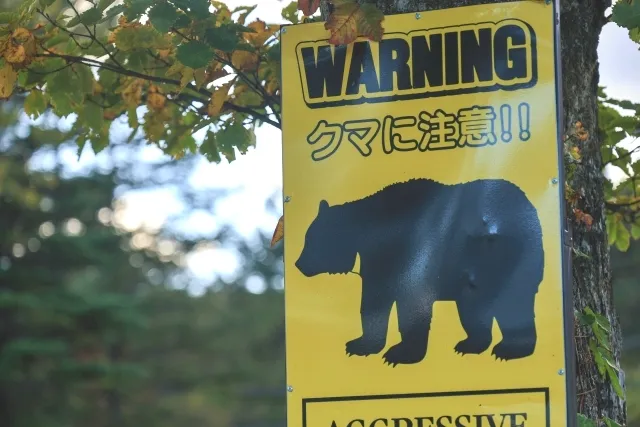
Japan is widely known for its vibrant cities, reliable public transportation, and rich cultural heritage, but beyond the urban areas lies a vast natural landscape of forests, mountains, national parks, and rural countryside. For travelers interested in hiking, countryside walks, or exploring less-touristy regions, Japan offers incredible natural beauty throughout the year.
However, these natural environments are also home to wildlife. In recent years, reports of bear sightings and encounters have increased in certain parts of Japan, often making local and international news. While serious incidents remain rare, understanding the situation and knowing how to prepare can help visitors enjoy Japan’s nature safely and responsibly.
Bears in Japan: A Brief Overview
Japan is home to two main bear species:
- Asian black bears, found in many mountainous regions of Honshu
- Brown bears, primarily found in Hokkaido
These bears usually avoid humans and live deep in forested areas. Most encounters occur when bears are surprised by people or when they wander closer to villages and hiking paths in search of food.
Where Are Bear Encounters More Likely to Occur?
Bear encounters are more likely in:
- Mountainous and forested regions
- Rural areas close to farmland or rivers
- Hiking trails that pass through dense vegetation
Regions such as Tohoku, Hokuriku, Nagano, and Hokkaido are more frequently mentioned in local reports, but bears can appear anywhere that borders large natural areas. Encounters almost never occur in major cities or popular urban tourist spots.
Seasonal Factors and Bear Activity
Bear behavior changes with the seasons:
- Spring: Bears emerge from hibernation and actively search for food, which can lead them closer to human areas.
- Summer: Encounters are less frequent, but still possible in remote hiking areas.
- Autumn: Bears eat more to prepare for winter, increasing the chances of sightings, especially in years when natural food sources are scarce.
Autumn, in particular, is a popular season for hiking and leaf-viewing, making awareness especially important.
Why Are Encounters Increasing?
Several factors are believed to contribute to the rise in sightings:
- Changes in climate affecting natural food availability
- Depopulation of rural areas, allowing wildlife to expand closer to villages
- Increased outdoor activity among both locals and visitors
This does not mean Japan’s nature is dangerous, but it highlights the importance of respecting wildlife habitats.
How Travelers Can Reduce the Risk
Simple precautions can greatly reduce the chance of an encounter:
- Walk in groups whenever possible
- Make noise while hiking so bears are aware of your presence
- Avoid wearing headphones in forested areas
- Carry bear bells where recommended by local authorities
- Check local news, signage, or visitor center notices before heading out
Many hiking areas in Japan provide clear guidance and updates when bear activity has been reported.
What to Do If You Encounter a Bear
If you encounter a bear:
- Stay calm and do not panic
- Do not run or scream
- Slowly back away while keeping the bear in sight
- Avoid direct eye contact
- Make yourself look larger if the bear approaches
Most bears retreat once they recognize a human presence.
Respecting Nature While Traveling in Japan
Japan places great importance on harmony between humans and nature. By following local advice, respecting warning signs, and staying informed, travelers can safely enjoy Japan’s natural landscapes.
From mountain trails and national parks to quiet countryside villages, Japan’s natural side is well worth exploring. With basic knowledge and preparation, visitors can experience these areas confidently while respecting the wildlife that calls them home.