
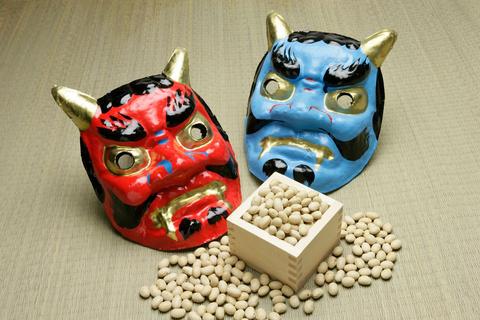
After the New Year celebrations come to an end, Japan marks another important seasonal turning point: Setsubun (節分). Usually held around February 3 or 4, Setsubun symbolizes the transition from winter to spring according to the traditional Japanese calendar. While it is not a public holiday, it is widely observed across the country in homes, schools, shrines, and temples.
For visitors traveling in Japan during early February, Setsubun offers a glimpse into how Japanese culture blends folklore, ritual, and everyday life to mark seasonal change.
What Is Setsubun?
In traditional belief, Setsubun marks the moment when seasons change, and it is considered a time when negative energy and misfortune are more likely to enter people’s lives. To counter this, rituals are performed to purify homes and invite good luck for the coming months.
Although Setsubun once occurred at each seasonal change, today it is almost exclusively associated with the beginning of spring.
Mamemaki: Bean-Throwing Ritual
The most recognizable Setsubun custom is mamemaki, the act of throwing roasted soybeans while chanting “Oni wa soto! Fuku wa uchi!” (“Demons out! Good fortune in!”).
In Japanese folklore, oni (demons) represent misfortune, illness, and bad luck. Throwing beans symbolically drives them away.
In homes, a family member may wear an oni mask while others throw beans at them. In public, shrines and temples host large mamemaki events, sometimes with local celebrities or monks tossing beans into crowds.
Eating Ehomaki
Another Setsubun custom is eating ehomaki, a thick sushi roll eaten silently while facing a lucky direction determined each year. The practice is said to bring good fortune, health, and prosperity.
Japanese sources often note that while ehomaki became widespread only in recent decades, it is now firmly embedded in seasonal culture. Convenience stores and supermarkets promote it heavily, making it easy for visitors to try.
Experiencing Setsubun as a Visitor
Travelers can enjoy Setsubun by:
- Attending mamemaki events at temples or shrines
- Watching local families perform rituals at home
- Trying ehomaki from shops or convenience stores
- Visiting temples known for large public celebrations
Setsubun events are lively but welcoming, and participation is open to everyone.
Why Setsubun Matters
Setsubun reflects Japan’s deep connection to seasonal cycles and the belief that small rituals can influence everyday life. For visitors, it offers an approachable, festive way to experience Japanese tradition beyond the New Year period.