
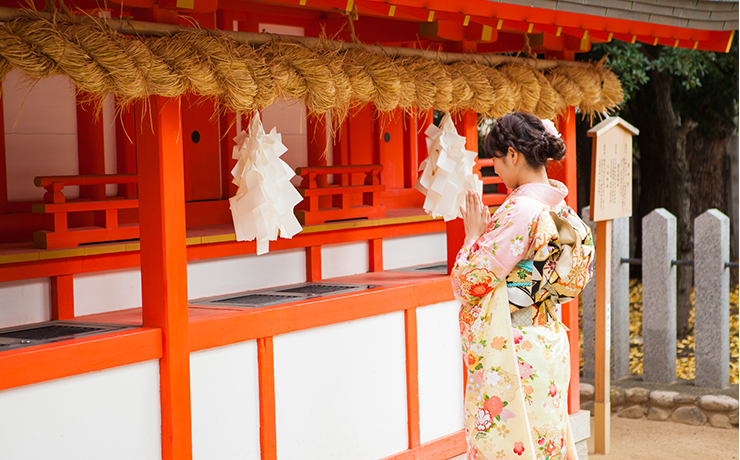
As the New Year approaches, one of the most meaningful Japanese traditions begins: Hatsumōde, the first Hatsumōde: Experiencing Japan’s First Shrine or Temple Visit of the New Year
As the New Year approaches, one of Japan’s most meaningful annual traditions begins: Hatsumōde (初詣), the first visit to a shrine or temple of the year. For many people in Japan, this moment marks a symbolic transition from the past year to the new one. It is a time to express gratitude for the year that has ended, reflect quietly on personal experiences, and pray for good health, safety, and happiness in the months ahead.
If you are visiting Japan during late December or early January, taking part in Hatsumōde offers a unique opportunity to experience a tradition that blends spirituality, seasonal atmosphere, and community. While it may seem formal at first, Hatsumōde is open to everyone, and visitors are welcome to participate respectfully.
What Is Hatsumōde?
Hatsumōde generally takes place between January 1 and January 3, although some people choose to visit a shrine or temple just before or just after midnight on December 31. During this period, shrines and temples across Japan welcome large numbers of visitors, creating an atmosphere that is both festive and reverent.
The surroundings are often decorated with lanterns, New Year ornaments, and traditional decorations. Food stalls selling warm snacks and drinks are common, especially at larger sites, adding to the seasonal feeling. Despite the crowds, the mood remains calm and respectful, reflecting the importance of the occasion.
Both shrines (jinja) and temples (tera) host Hatsumōde. Shrines are associated with Shinto, Japan’s indigenous belief system, while temples follow Buddhist traditions. Visitors can choose either, and many Japanese people alternate between the two depending on family customs or personal preference.
How to Take Part in Hatsumōde
Participating in Hatsumōde follows a few simple steps. Even if you are unfamiliar with the customs, observing others and moving calmly is usually enough to participate respectfully.
Purification (Temizu)
Before approaching the main hall, visitors purify themselves at the water pavilion, known as the temizuya. Using the provided ladle, they rinse one hand, then the other, and lightly rinse the mouth. This ritual represents cleansing both the body and mind before prayer.
Approaching the Main Hall
After purification, visitors walk toward the main hall. At shrines, it is common to ring a bell before praying to announce one’s presence to the deities. Temples may not have bells, and visitors simply approach quietly.
Making an Offering
A small coin, often ¥5 (considered lucky due to wordplay in Japanese) or ¥50, is placed into the offering box. This is done as a gesture of respect rather than payment.
Praying
At shrines, the standard gesture is two bows, two claps, and one final bow. At temples, people usually bow silently with hands together. Many visitors take this moment to quietly express thanks and make personal wishes for the year ahead.
Omikuji, Omamori, and Other New Year Traditions
One of the most popular parts of Hatsumōde is drawing an omikuji, a small paper fortune that predicts luck for the coming year. These fortunes range from very good to bad. If the result is unfavorable, it is customary to tie the paper to a designated rack or tree at the shrine or temple, symbolically leaving the bad luck behind.
Visitors can also purchase omamori, small protective charms designed to offer blessings for specific purposes such as health, safe travel, academic success, or business prosperity. Many people replace their omamori each year during Hatsumōde, returning the old ones to be ritually burned.
Some temples also offer special New Year amulets, calligraphy stamps, or prayer slips unique to the season.
Where to Go for Hatsumōde
Famous locations such as Meiji Shrine in Tokyo, Sensō-ji in Asakusa, and Fushimi Inari Taisha in Kyoto attract very large crowds, especially on January 1. These places offer an impressive atmosphere but often involve long waiting times.
For a quieter experience, many visitors choose local neighborhood shrines or smaller temples, which offer a more relaxed environment while still preserving the meaning of the tradition. These local visits are just as authentic and often allow for a deeper appreciation of the ritual.
Practical Tips for Visitors
January in Japan is cold, so dressing warmly is essential, especially when waiting outdoors. It is also recommended to avoid peak hours, usually midday and early afternoon, if you prefer a calmer visit. Evening or early morning visits are often quieter.
If you plan to go on New Year’s Eve, be prepared for long lines and limited public transport late at night. Bringing small coins in advance is helpful, as change may not always be available.
A Meaningful Way to Begin the Year
Participating in Hatsumōde is more than just a cultural activity—it is a moment of reflection and renewal shared by millions of people across Japan. Whether you visit a large, famous shrine or a small local one, the experience offers a peaceful and meaningful way to welcome the New Year.
For travelers, Hatsumōde provides a rare opportunity to connect with Japan’s seasonal rhythms and spiritual traditions, creating memories that go beyond sightseeing and into the heart of everyday life in Japan.